The only currency
Every new species on film earns Research, and so does every prize shot. Finishing all four parts of a species pays best of all. Your photos are never sold. Research is all they earn you.
Embers of Dawn · Photography
Most of what she learns here, she learns through a viewfinder.
Why a camera
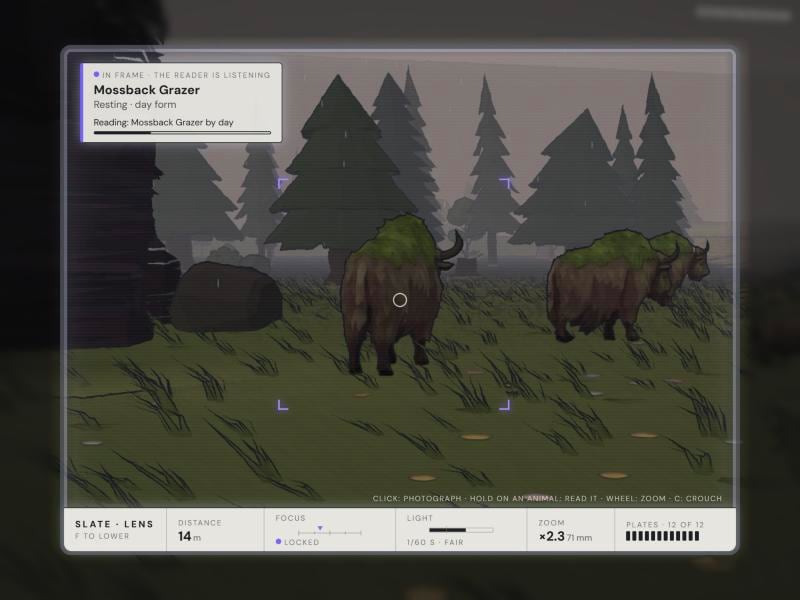
Explorer 62 is here for the Survey, and the Survey wants to know what lives on this world. So the tool she carries most is the spectrograph. It looks like a camera and works like one. Hold it on an animal for long enough, though, and it also reads the creature’s biology, along with the faint trace of the Umbra working on it.
When we redesigned the lens this autumn, the brief opened with one line: the camera is entirely fundamental to the gameplay loop. Your photographs pay for your gear and open up the higher valley. In the end they carry the story, too.
“Readings tell Home what an animal is; plates show how it lives.”From the Embers of Dawn lore bible
The loop
Here’s how a photograph comes together, start to finish. It’s the thing you’ll do most in Embers, so we’ve spent a lot of time on every part of it.
The slate lens
The zoom runs from a wide 60 degrees down to a tight 12. Crouch and her eye drops from 1.55 metres to 0.9, which happens to be where the skinks live.
Focus pulls to whatever sits in the middle of the frame. Swing to something much nearer or further away and it hunts for a moment before it settles. Zoom right in and the depth of field gets shallow, so you need to be precise.
The light is the part we’re proudest of. The shutter speed comes from the actual light in the scene, from 1/500 of a second in full sun down to half a second in the dark. A slow shutter forgives less, so a grazing Mossback can blur at dusk. The glow of a night form counts as light, which helps after dark. Set up the tripod and you can hold the shutter open for 1, 4 or 15 seconds, long enough for the stars to draw trails.
When everything is technically right, the focus box closes in and glows violet. That’s all it tells you. Whether the moment is worth taking is up to you.
From the workshop. Our first light meter was far too gloomy. It wanted 1/8 of a second on an ordinary rainy afternoon, so we changed how it measures the light.
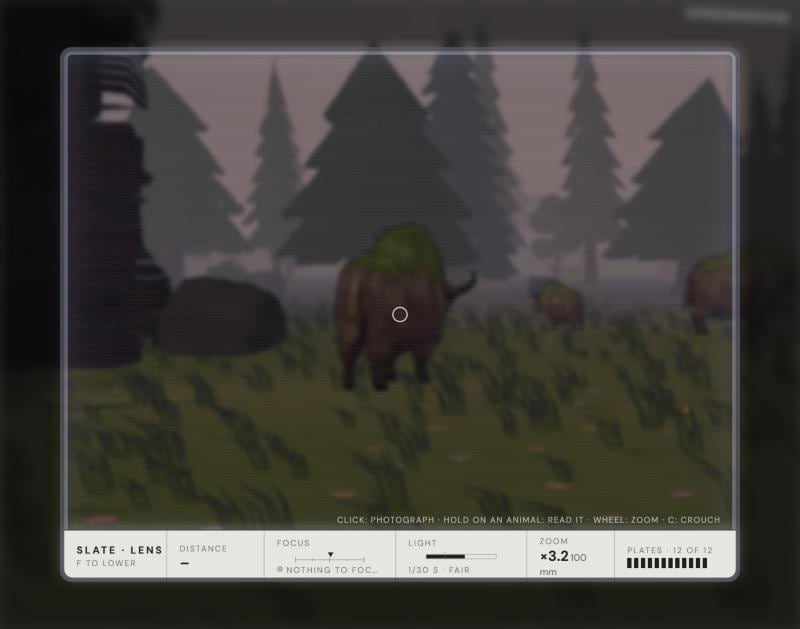
Three lenses, one winner. Before building it we mocked up a heavy alloy bezel, a round eyepiece and a sheet of projected glass. The glass won. We kept the bezel’s clearer controls and put the readings in a strip along the bottom, the same way the rest of her slate works.
After the shutter
Each shot is scored out of 100. These are the weights, and they’re the same for every animal in the valley. Landscapes are judged on their own terms, further down.
35 earns a star, 60 earns two and 82 earns three. Below 35 it’s a blur, and she’ll tell you so.
Stamps add a few bonus points on top, up to 15 per shot:
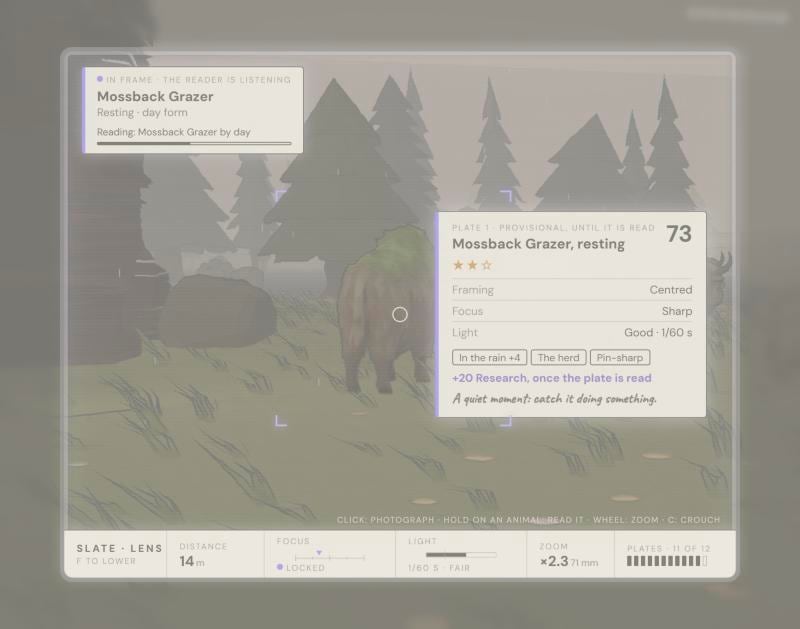
Her note picks out the single thing that cost you the most, in plain words. Something like “It moved: 1/15 s is too slow for that.” And if you fire at an empty frame, you don’t lose the plate.
You carry twelve plates on an expedition, or sixteen once you’ve built a plate box. They refill at any camp.
Getting close
Every animal can see, hear and smell you, and it reacts to whichever one catches you first. Crouching makes you harder to see and a lot quieter. Standing still helps even more. Trees and rocks will hide you, and running will undo all of it.
Scent is the one you can’t do anything about. It drifts downwind whatever you do, so the wind decides your approach. The ring at her feet turns from green to amber to red as an animal grows uneasy. If it bolts, any reading you had going is lost.
Some species won’t come down from the trees while anything moves below. For those you build a hide, a low screen of cut boughs, and wait.
Night changes the rules. Night forms notice you sooner and a few will charge a short way. On the other hand, the spectrograph reads half as far again in the dark.
Prize shots
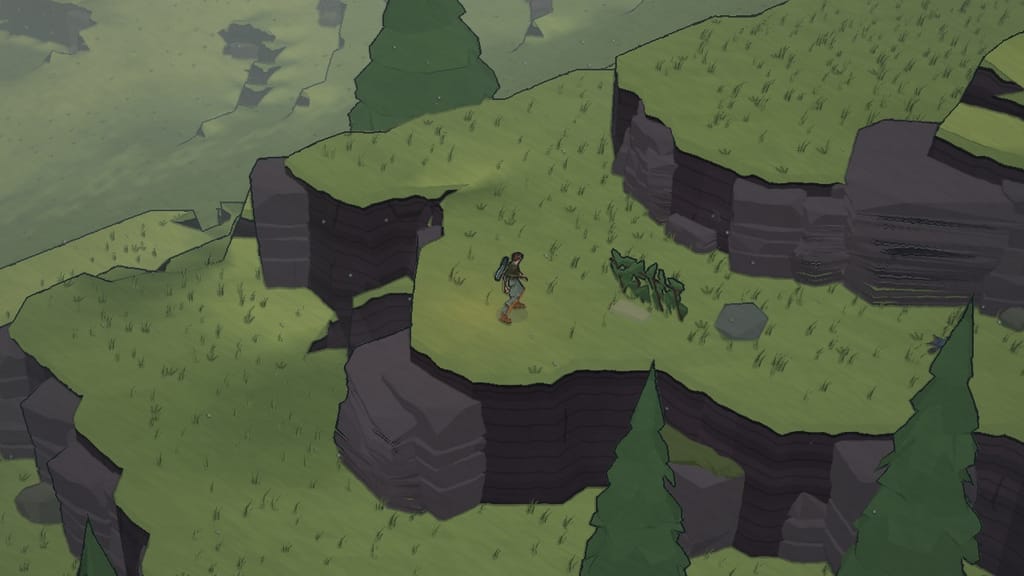
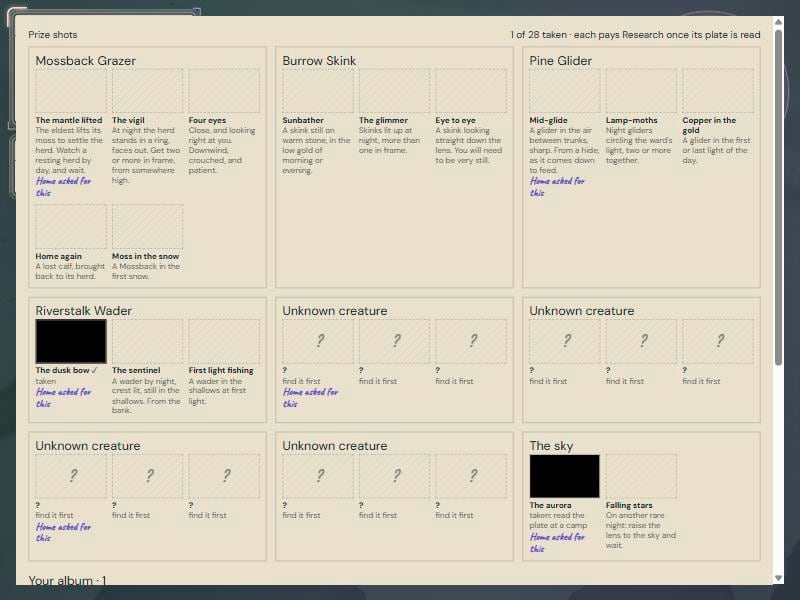
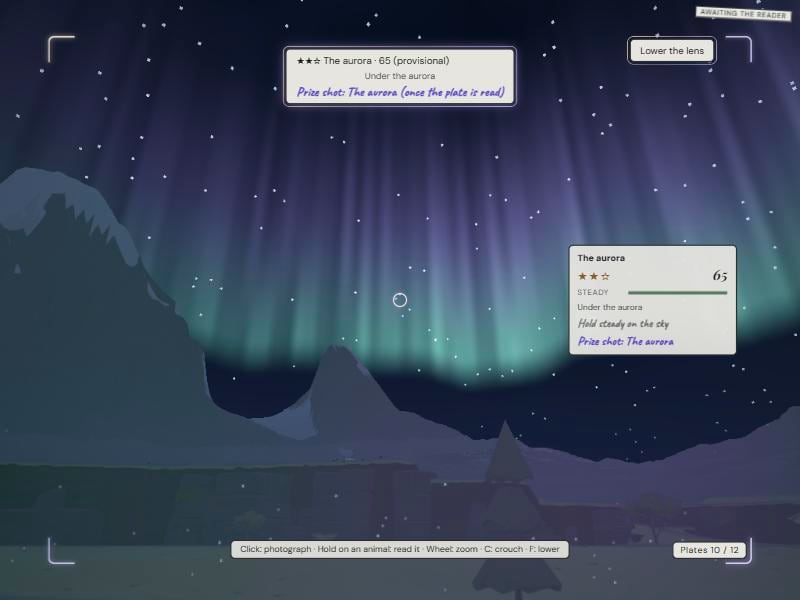
Each species has three or four prize shots, and each comes with a hint. Twenty-six are of animals and twenty-two are of the sky and the valley’s rare events, from the aurora to frozen waterfalls. The newest ones ask more of you: two kinds of animal meeting in one frame, a long exposure from the tripod, a night shot from a camera trap you left behind, a wader coming up with a fish, or a flock of finches lifting all at once. Four more are of the animals’ homes: a burrow, a roost pine, a frost bed and a nest. Take one at two stars or better and it goes in your album.
Home’s science desk asks for a few of these by name. Send one back and they’ll write to you about it.
Views
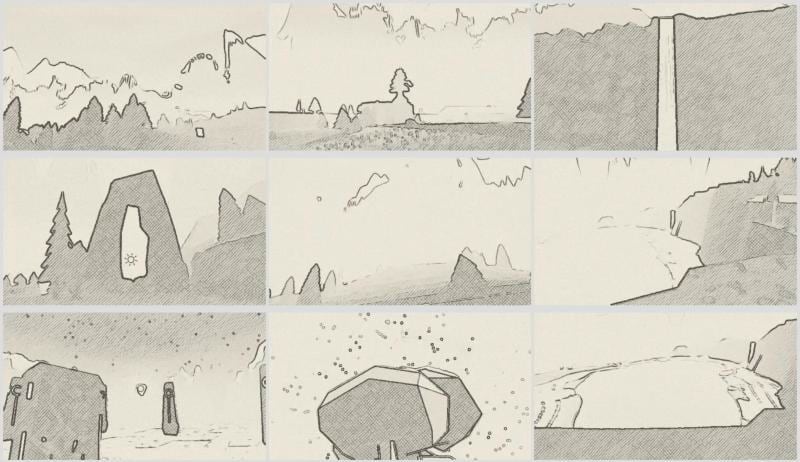
Twelve spots in the valley are worth a photograph on their own, and each one has its own light. Stand at one for the first time and the slate sketches it in pencil, then keeps it on a Views page until you come back at the right hour.
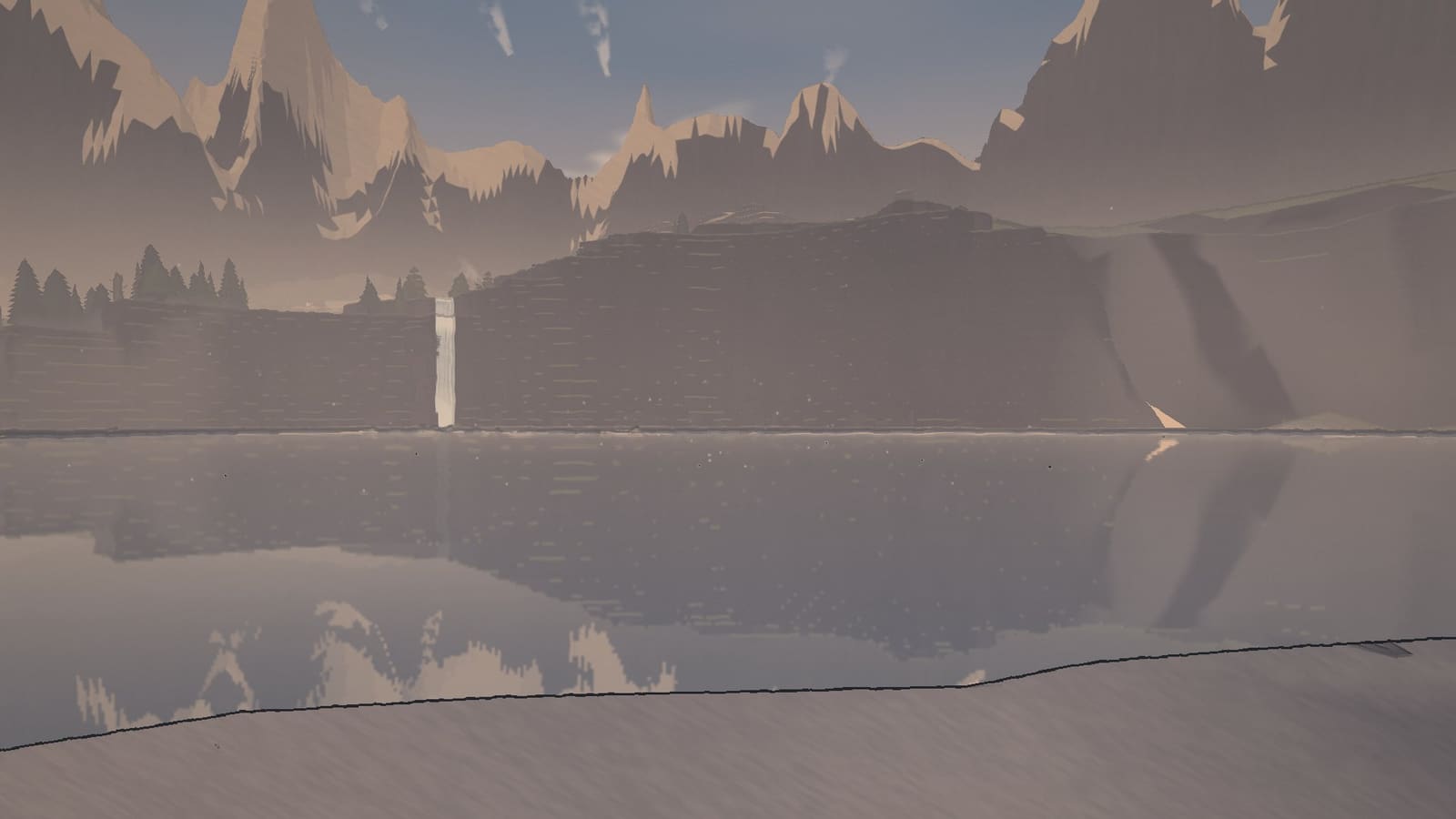
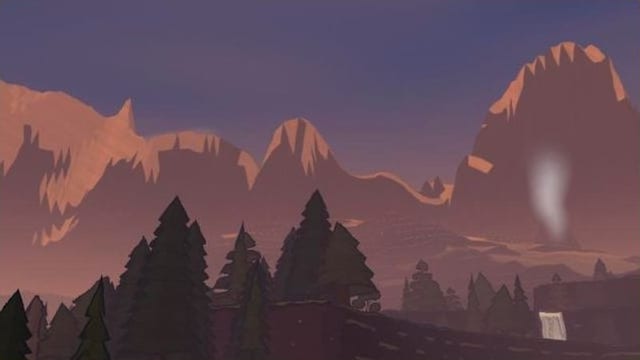
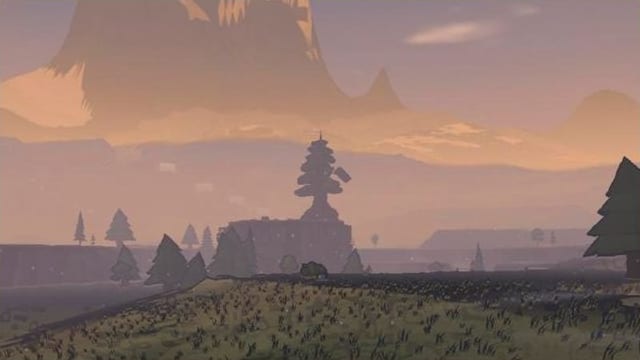
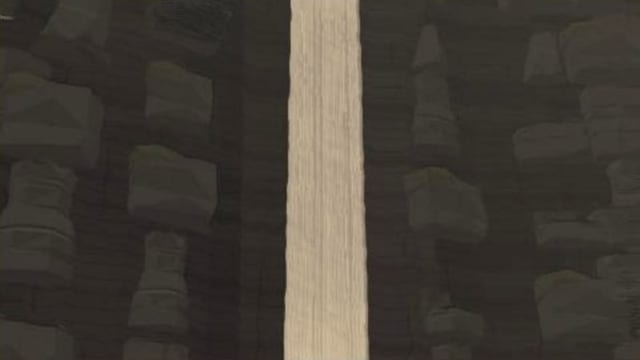
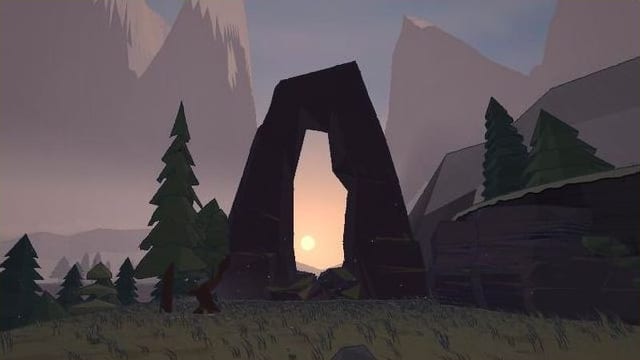
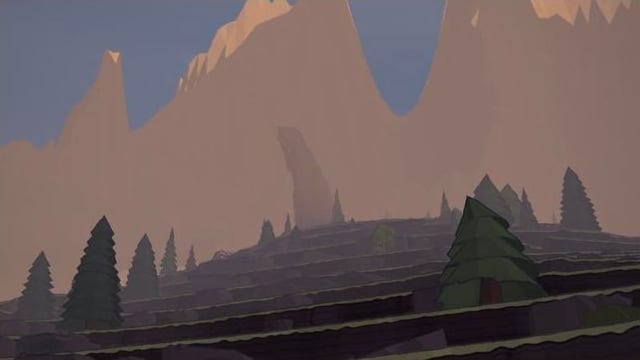
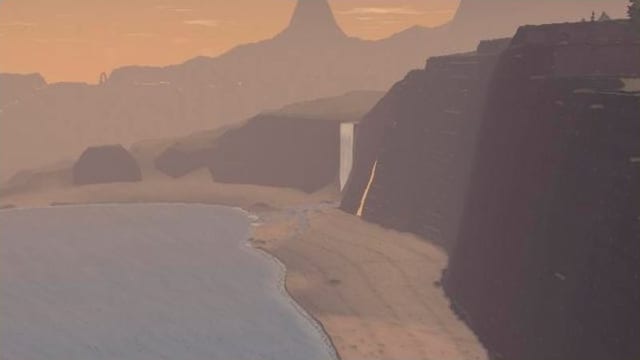
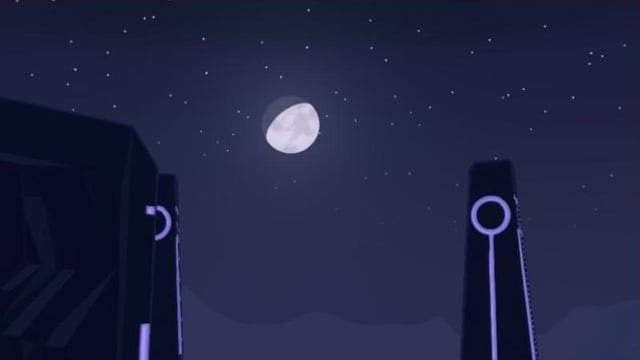
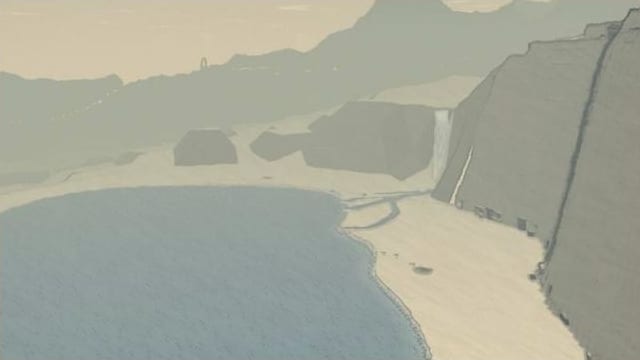
A view isn’t scored like an animal. Composition and light count for 30 points each, sharpness and the condition of the moment for 20 each: how deep the mist is, how strong the glow, how fresh the snow. Three new stamps reward a horizon on a third, a leading line and a good foreground.
Views earn no Research. They’re there because they’re lovely, and each one adds to how well you understand the valley.
We made new landforms for them: a 32-metre spire called the Needle, a stone arch called the Eye, a high tarn with its own stream and delta, a ribbon of a waterfall dropping thirty metres, and an old pine standing alone above the hollows.
The sun’s path drifts a little each day, so around day nineteen it rises straight through the Eye. We cut a notch in the ridge to make that line up. The moon gets the same treatment, rising through a gap in the Ring.
Why it matters
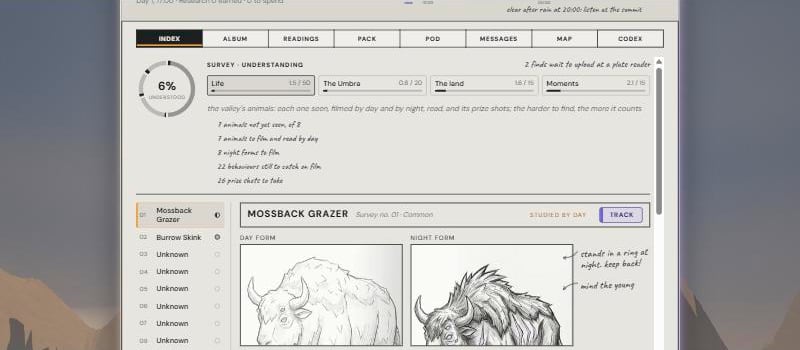
To study a species fully you need four things from it: a photograph by day, a reading by day, a photograph by night and a reading by night. Most of the game hangs off that.
Every new species on film earns Research, and so does every prize shot. Finishing all four parts of a species pays best of all. Your photos are never sold. Research is all they earn you.
Research buys blueprints. Cold gear gets you to Glacier Lake, a longer line takes you up into the High Crags, and summit gear gets you to the top.
One figure, from 0 to 100%. Half of it is the life of the valley: what you’ve seen, what you’ve photographed by day and night, behaviour caught on film, and prize shots.
To finish, she has to photograph the Frostcrest at night while it sings on the summit. Back home, her photographs end up on the corridor walls.
Keep exploring