Plays in your browser
No download, no install. The valley is drawn live, aiming for a smooth 60 frames a second on an everyday laptop. If a frame runs long, quality quietly steps down to keep things smooth.
Embers of Dawn · The world
Weather, wildlife and rare sights that carry on whether you’re watching or not.
Under the hood
Embers of Dawn runs on an engine we built from the ground up, just for it. Most of our time has gone on one thing: making the valley feel as if it carries on without you. It notices you when you turn up, too.
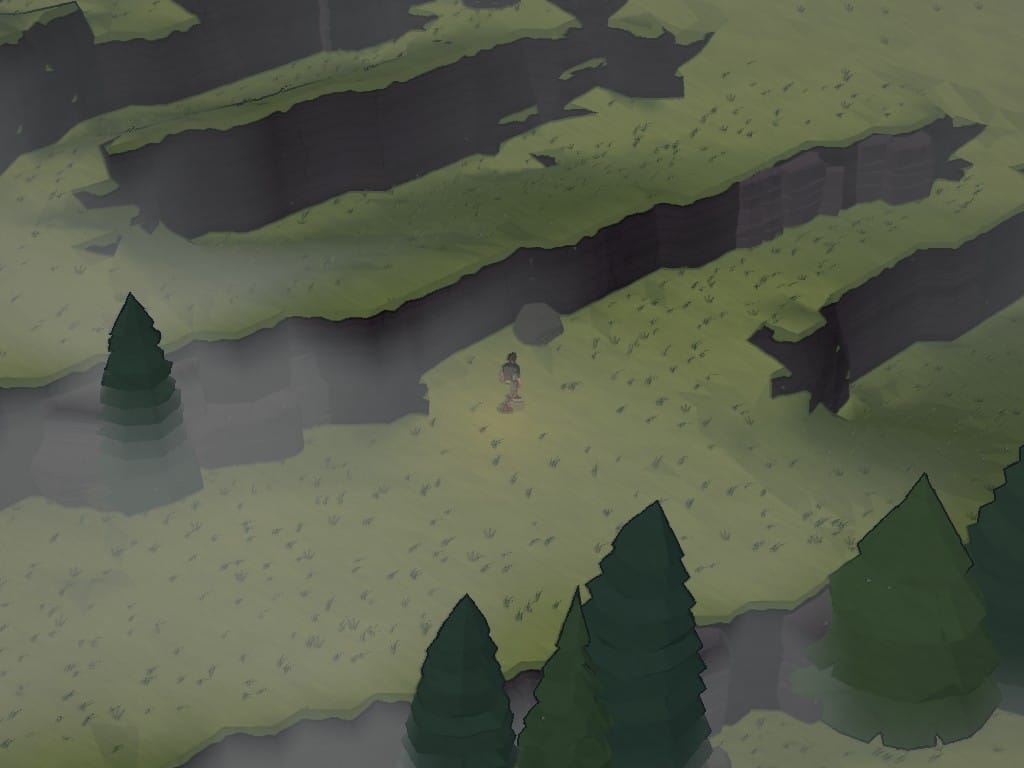
The weather runs as a seeded run of spells. Clear, overcast, rain or mist, each lasting somewhere between three and eight hours before it eases into the next. Above the snowline the rain falls as snow.
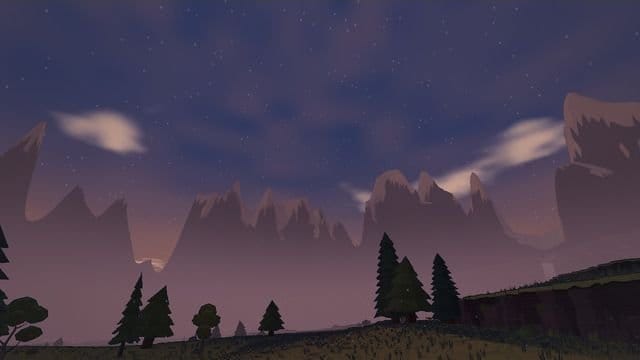
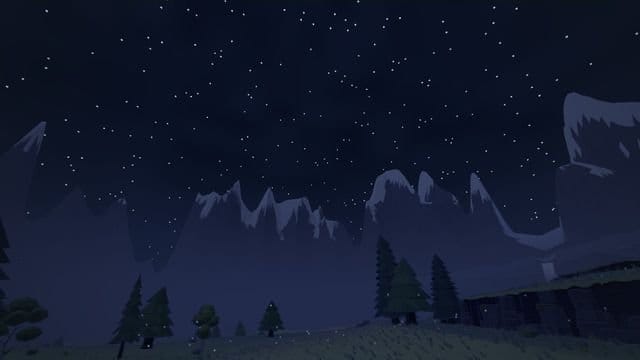
Clouds drift on a layer 900 metres up, with darker bellies and shadows that sweep across the sunlit ground. There are two moons, and the nights come out a moonlit blue rather than black. As the whole sky is seeded, the twelve-hour forecast on her slate is always right. We like that. Nobody needs a forecast that lies to them.
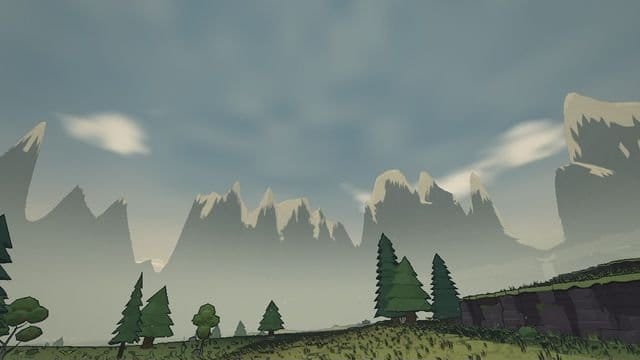
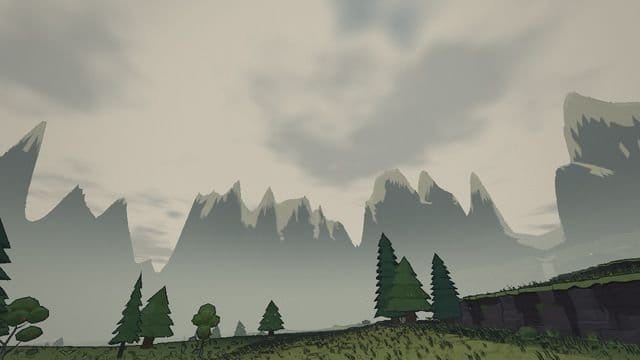
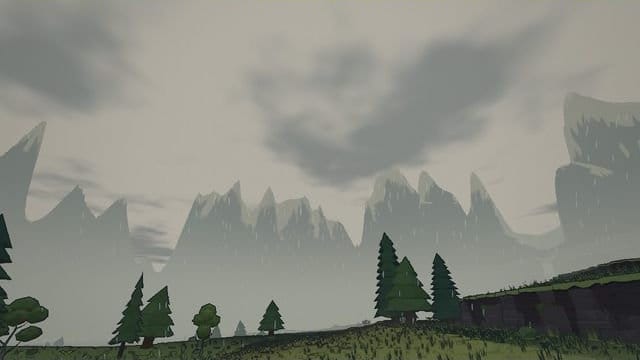
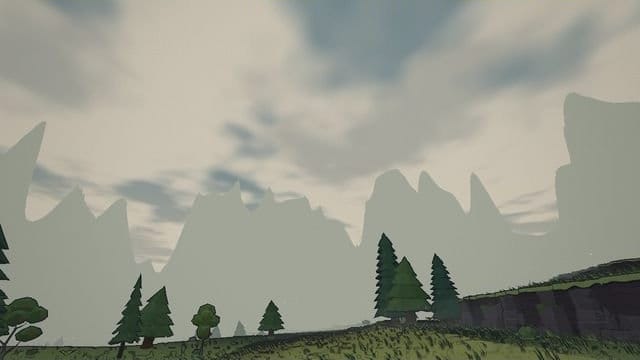
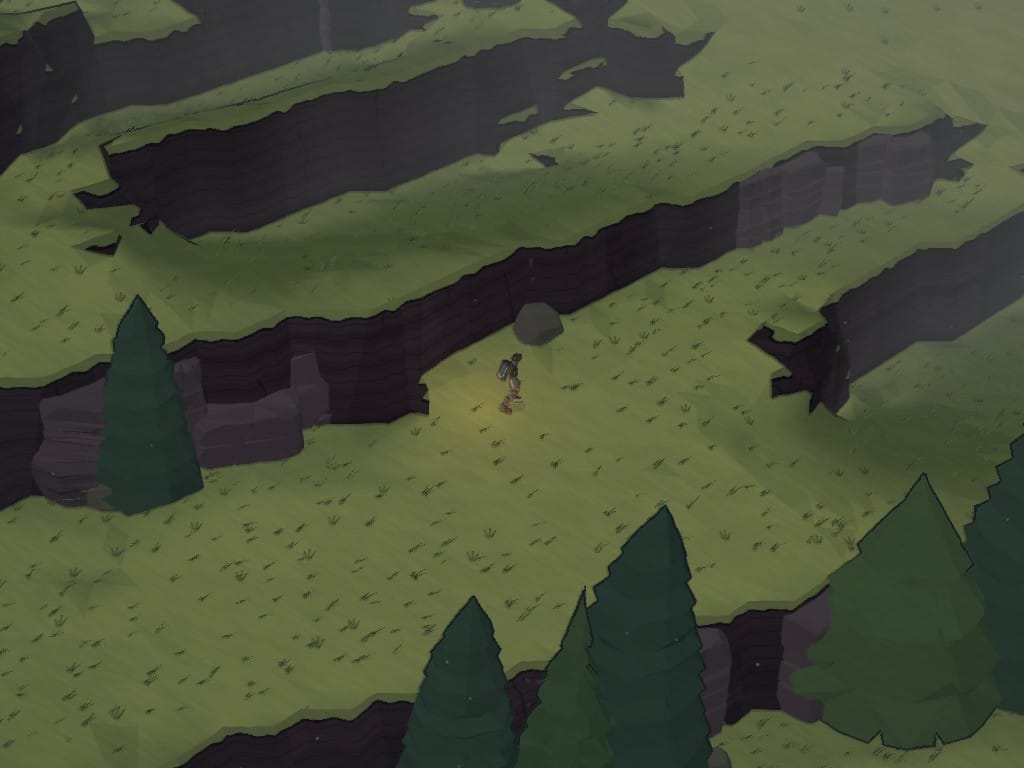
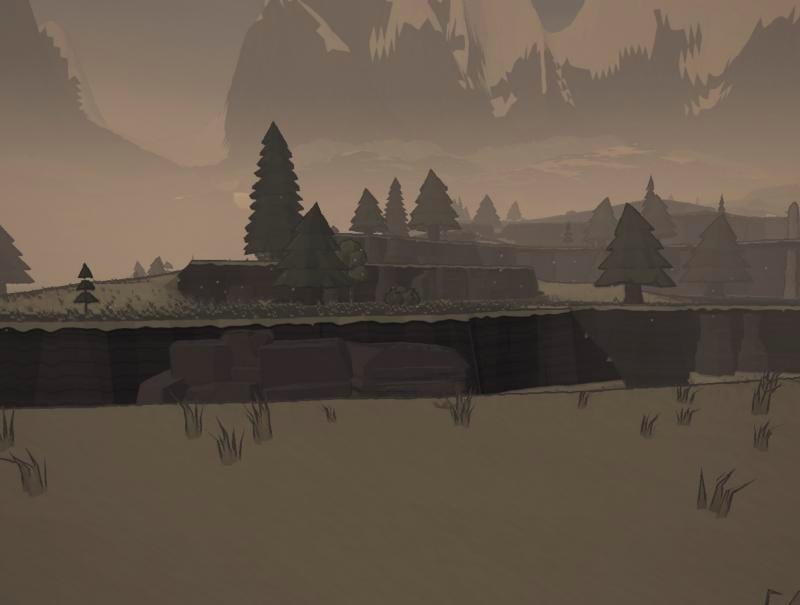
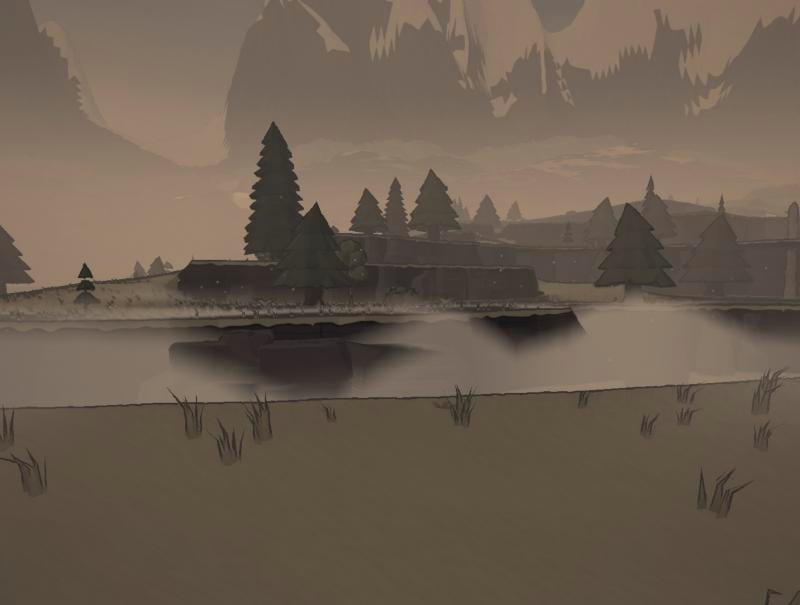
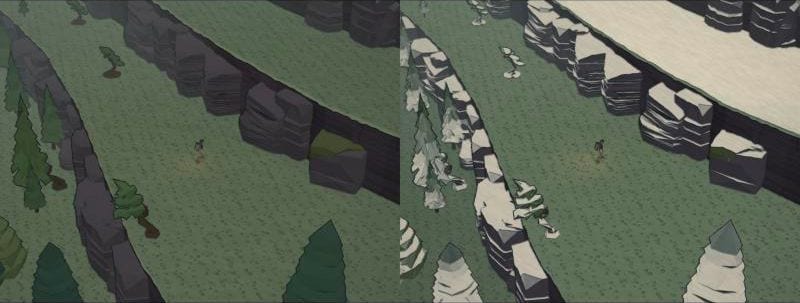
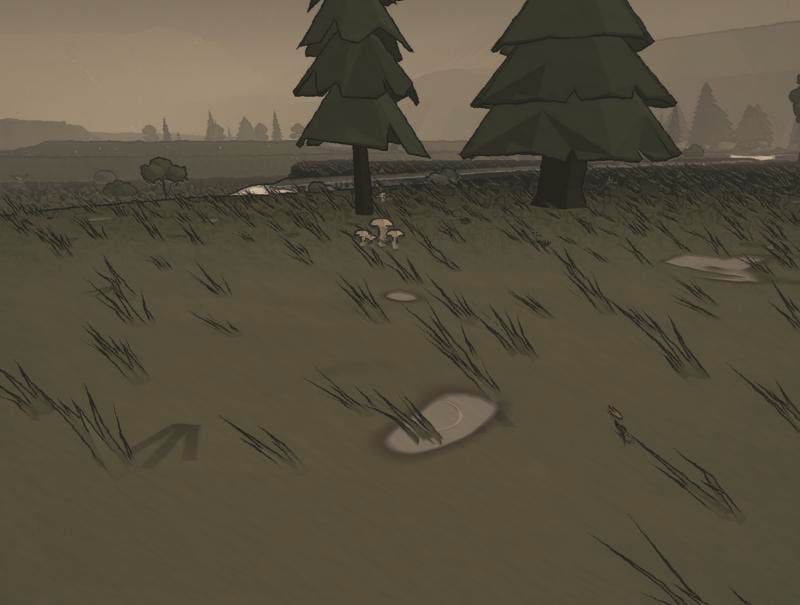
Spend calm time near a herd and, over a few days, it gets used to you. It notices you later and settles sooner. It will still smell you if the wind carries your scent to it, mind, so the wind still decides your approach.
Each animal is its own animal, too. In a Mossback herd the calf has moss only along its spine and stubby little horns. The eldest carries the most moss, the biggest horns and a grey muzzle.
The Ramdrakes have rams and ewes now. The old ram has a broken horn. He wins every clash on the ledges until late in your stay, and then one day he doesn’t.
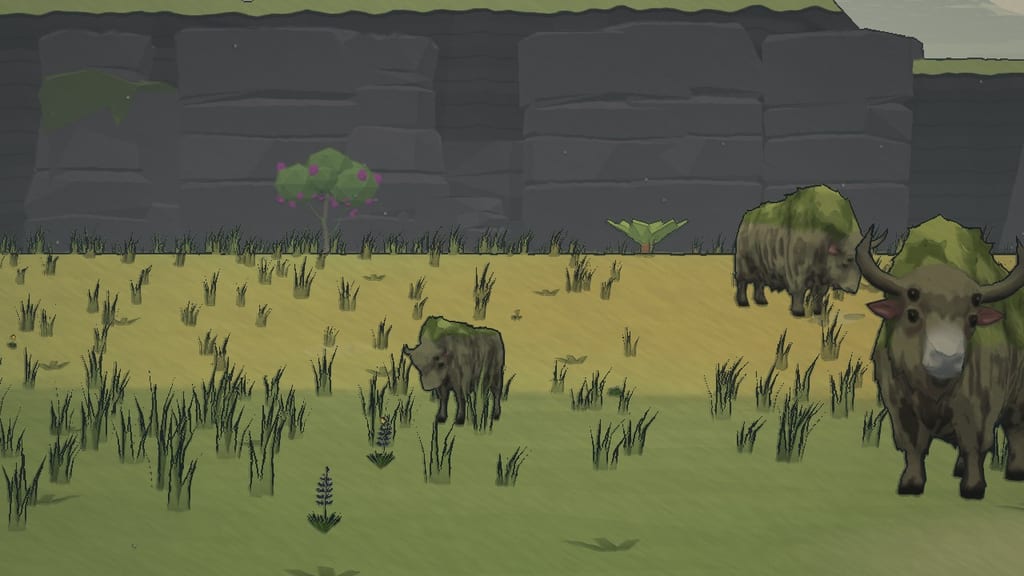
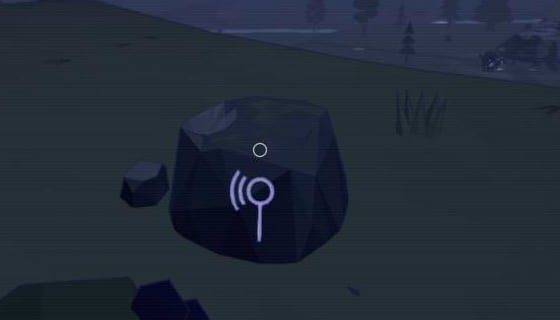
A lot of games scatter their events across the map and hope you stumble on them. We wanted something gentler, so we wrote a director. About once an in-game day it chooses a moment somewhere 150 to 400 metres from you, leaning towards dawn and dusk, things you haven’t seen yet and the animal you’re tracking. It waits if you’re in trouble or in the middle of a story moment, and it leaves you alone for your first day or so. When it does pick something, it lets you find it in stages.
Miss one and it still happened. The scar stays where it was, and the moment comes round again somewhere else.
These are all screenshots from the game itself. The sky events run to a seeded calendar and the weather ones come with the forecast. The director places the rest somewhere near you. Most of them are prize shots, too, if you can get the lens up in time.
No download, no install. The valley is drawn live, aiming for a smooth 60 frames a second on an everyday laptop. If a frame runs long, quality quietly steps down to keep things smooth.
A valley 1.5 km square, carved on a one-metre grid and stepped into terraces, with streams, waterfalls and a ring of mountains. It’s built in a background thread, so the loading screen never freezes.
The land loads around you in chunks, with a lighter copy filling the distance. Up to 14,000 clumps of grass and 9,000 flowers are each drawn in a single batch.
Ink outlines, brush wobble, stroke texture, mist, a painted sky, colour grade and paper grain, all added live in one pass over every frame.
Every animal sees, hears and smells. Crouch, keep still or find cover and they’ll settle; run and they bolt. Each herd walks its own daily trail, and storms send them bunching, burrowing or holding still.
Wind, water, rain, insects and footsteps are made live as you play, and every clap of thunder is built fresh. Over that sit her own voice, a score of felt piano, soft strings and bowed glass, and a few dozen sounds made for the lens and the slate.
Each world is a pack of data: its land, palette, sky, weather, plants, creatures, events and story. A new episode is a new pack, not a new engine.
Every save carries a version, and each new version comes with a step that carries the old ones forward. Once we launch, your expedition won’t be left behind.
Built in TypeScript, with three.js and Vite.
Keep exploring